
Why Remote Workers in Seattle, WA Secure Their Wireless Connections
Remote work continues to grow across Seattle, WA, and reliable internet access now supports thousands of daily tasks. According to recent workforce studies, more than 35% of professionals in major tech cities work remotely at least part of the week. At the same time, cyberattacks against home networks continue to increase every year. Because of this trend, many professionals now focus heavily on protecting their wireless systems and personal data. Remote employees also learn how to manage devices connected to wifi so they can reduce unauthorized access and improve connection performance.
Seattle attracts technology companies, freelancers, software developers, and digital entrepreneurs from around the country. As a result, home offices across the city handle sensitive files, client meetings, and financial transactions every day. Many workers rely on cloud platforms and smart devices that stay connected for long hours. Therefore, wireless security has become a practical business priority rather than just a technical concern. Strong network protection now helps remote professionals avoid downtime, identity theft, and costly interruptions.
The Rise of Remote Work in Seattle
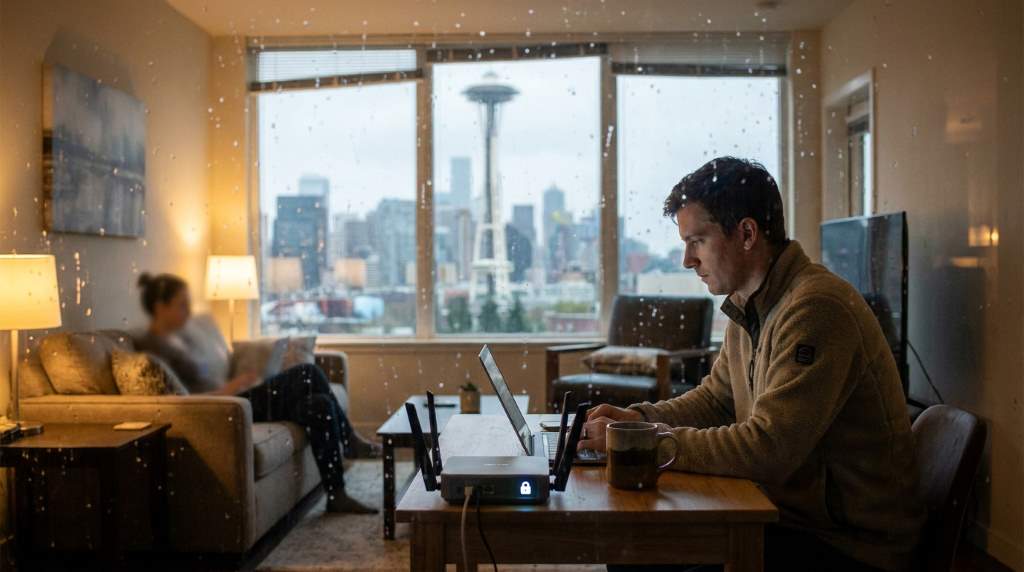
Seattle has become one of the largest remote work hubs in the Pacific Northwest. Large companies and startups continue to support hybrid schedules because employees value flexibility and lower commuting stress. Consequently, more people now build advanced home office setups with smart technology and wireless tools. Many workers also invest in stronger routers and better security settings to keep work environments stable.
Remote professionals often connect laptops, tablets, printers, smart speakers, and cameras to a single network. This growing device load increases security risks if users ignore updates or weak passwords. Furthermore, smart home products sometimes create hidden vulnerabilities inside home networks. Many Seattle residents also follow guides like how to factory reset your Google Nest Mini when troubleshooting device security and connection problems.
Why Wireless Security Matters More Than Ever
Cybercriminals increasingly target home networks because many users still rely on outdated security practices. Unlike office buildings, residential internet setups rarely include enterprise-level protection systems. As a result, hackers often view home offices as easier entry points for stealing information. Remote employees who work with customer data or financial records face even greater risks.
Seattle workers frequently use public WiFi while working from coffee shops, coworking spaces, and shared apartments. Public connections often expose users to man-in-the-middle attacks and fake network hotspots. Therefore, professionals must protect their devices with secure passwords and encrypted connections. Even small security mistakes can expose login credentials, private conversations, and work documents.
Seattle’s Rainy Climate Creates Unique Connectivity Challenges
Seattle’s weather affects wireless performance more than many people realize. Heavy rain and moisture can interfere with outdoor networking equipment and signal quality in some neighborhoods. Older apartment buildings also struggle with thick walls and water-damaged infrastructure that weakens WiFi coverage. Consequently, remote workers often adjust router placement and network settings to maintain stable connections.
Stormy weather can also trigger power outages that interrupt online meetings and cloud-based tasks. Therefore, many professionals use battery backups and surge protectors to keep networks running during bad weather. Reliable internet access becomes especially important during client presentations or virtual team discussions. Seattle workers who prepare for climate-related disruptions often experience fewer productivity problems throughout the year.
Common Threats Facing Remote Workers
Weak Password Practices
Many people still use simple passwords that hackers can easily guess through automated tools. Weak credentials create major security risks for both personal and professional accounts. Therefore, cybersecurity experts recommend long passwords with numbers, symbols, and mixed letters. Password managers also help remote employees maintain stronger login protection across multiple platforms.
Outdated Router Firmware
Old router firmware often contains security flaws that hackers already understand and exploit. Unfortunately, many users forget to install firmware updates for months or even years. Regular updates fix vulnerabilities and improve overall network performance at the same time. Seattle professionals who work from home usually benefit from automatic firmware update settings.
Unauthorized Device Access
Shared living spaces sometimes allow unknown devices to connect to private networks without permission. Unauthorized access can slow internet speeds and increase exposure to malware or spying attempts. Consequently, remote workers frequently monitor network activity and remove suspicious devices quickly. Some users also install advanced tools like advanced WiFi manager software to track connected devices and improve wireless control.
Practical Wireless Security Tips for Seattle Remote Workers
Use WPA3 Encryption
Modern routers now support WPA3 encryption, which offers stronger protection than older wireless standards. This technology makes it harder for hackers to intercept data or crack passwords. Therefore, remote workers should upgrade routers that still rely on outdated encryption systems. Secure encryption also improves confidence during video calls and financial transactions.
Separate Work and Personal Devices
Many professionals now create separate networks for work-related equipment and smart home devices. This approach limits exposure if one device becomes infected or compromised. Additionally, network segmentation improves bandwidth management for video conferencing and large file uploads. Workers who isolate business traffic often experience more reliable and secure connections.
Enable Multi-Factor Authentication
Multi-factor authentication adds an extra verification step before users can access important accounts. Even if hackers steal a password, they still cannot log in without the second verification method. Consequently, remote workers reduce account takeover risks significantly by enabling this feature. Many employers now require multi-factor authentication for remote access systems.
The Role of VPNs in Remote Work Security
Virtual private networks help remote workers protect internet traffic from spying and interception. VPNs encrypt data before it travels through public or residential internet connections. Therefore, users gain stronger privacy protection while accessing work platforms and cloud services. Many Seattle professionals rely on VPNs daily when working outside their homes.
VPN services also help freelancers and business owners protect client information during online communication. Secure encrypted connections become especially important when handling contracts, banking records, or confidential files. Additionally, VPNs reduce tracking from advertisers and malicious websites. Workers who travel frequently often consider VPNs essential for remote productivity and security.
Why Apartment Living Increases Wireless Risks
Seattle’s growing population has increased apartment living throughout the city. Large residential buildings place dozens of wireless networks close together, which creates signal overlap and security concerns. Consequently, hackers sometimes target neighboring networks because they remain physically close to potential victims. Apartment residents must pay extra attention to router settings and device visibility.
Many tenants also forget to change default router usernames and passwords after moving into new apartments. Default credentials often appear publicly online, making unauthorized access much easier. Therefore, remote workers should always customize network names and administrative settings immediately. Hidden network names and guest network restrictions also improve overall protection.
Smart Devices and Hidden Security Risks
Smart home technology continues to expand rapidly across Seattle households. Devices like smart speakers, cameras, thermostats, and lighting systems constantly connect to wireless networks. While these products improve convenience, they also create additional entry points for cybercriminals. Remote workers must secure every connected device instead of focusing only on computers.
Many smart devices ship with weak factory settings and limited security protections. Consequently, users should change default passwords and install software updates immediately after setup. Experts also recommend disabling unnecessary features that continuously share data online. Careful device management reduces vulnerabilities while improving overall network performance.
How Secure Connections Improve Productivity
Reliable wireless security supports smoother daily workflows for remote employees. Workers can attend virtual meetings, upload files, and access cloud platforms without constant interruptions. Stable internet connections also reduce stress during tight deadlines and client communications. Consequently, secure networks directly support better professional performance and time management.
Cybersecurity problems often create expensive downtime and lost productivity for remote professionals. Recovering hacked accounts or infected systems may require hours of troubleshooting and technical support. Therefore, prevention remains far more effective than dealing with security failures later. Seattle workers who prioritize wireless safety usually experience fewer disruptions and stronger long-term efficiency.
The Growing Importance of Cybersecurity Awareness
Technology alone cannot fully protect remote workers from online threats. Users must also understand phishing scams, fake websites, and suspicious downloads that target home offices regularly. Consequently, cybersecurity awareness training has become common across many industries. Workers who recognize warning signs can stop attacks before major damage occurs.
Remote employees should review security habits regularly to stay prepared for evolving cyber threats. Small actions like updating software, checking connected devices, and changing passwords create meaningful protection over time. Additionally, families sharing the same network should understand basic online safety rules. Strong awareness helps create safer digital environments for everyone in the household.
Conclusion
Remote workers in Seattle, WA secure their wireless connections because modern work environments depend on safe and reliable internet access every day. From rainy weather challenges to apartment network risks, local professionals face unique connectivity concerns that require proactive solutions. Strong passwords, encrypted networks, updated routers, and VPN protection all help reduce online threats effectively. Many users also improve home network reliability by following resources like connect Google Home to new WiFi when upgrading or reconfiguring smart devices.
Wireless security now supports productivity, privacy, and long-term business success for remote professionals across Seattle. Workers who ignore network protection often face unnecessary stress, downtime, and financial risks later. Therefore, investing in secure wireless practices remains one of the smartest decisions for any remote employee or freelancer. Start reviewing your home network today and build a safer digital workspace for the future.
FAQs
Why do remote workers need secure WiFi connections?
Secure WiFi protects sensitive work data, prevents hacking attempts, and improves online privacy.
What is the safest wireless encryption method?
WPA3 encryption currently offers the strongest protection for modern home wireless networks.
Can Seattle weather affect wireless internet performance?
Yes, heavy rain, storms, and older building structures can weaken wireless signals and network stability.
Do smart home devices increase cybersecurity risks?
Yes, poorly secured smart devices can create additional entry points for hackers inside home networks.
Should remote workers use a VPN at home?
Yes, VPNs encrypt internet traffic and provide stronger privacy protection for remote work activities.


