How to Use AI Tools for Content Creation in California (CA)
California’s creative and business landscapes are evolving at an unprecedented pace, driven by the rise of artificial intelligence. In 2026, over 70% of California marketers leverage AI tools for content creation to streamline workflows, enhance creativity, and gain a competitive edge. The Golden State, home to Silicon Valley and a thriving entrepreneurial ecosystem, offers unparalleled opportunities for businesses and creators willing to harness the power of AI. However, using AI tools for content creation in California requires more than just adopting the latest technology—it demands a strategic approach that balances innovation with authenticity. This guide explores how AI writing tools and automated content creation can transform your content strategy, offering actionable insights to help you produce high-quality, engaging, and SEO-optimized content.
Why AI Tools for Content Creation in California Are a Game-Changer
California’s diverse and tech-savvy audience expects high-quality, personalized, and engaging content. A 2025 report by the California Digital Marketing Association found that businesses using AI tools for content creation saw a 40% increase in engagement and a 30% reduction in production time. These tools enable creators to automate repetitive tasks, generate ideas, and optimize content for search engines and social media.
Additionally, California’s competitive market demands efficiency and scalability. AI writing tools can help businesses and creators keep up with the growing demand for content across multiple platforms, from blogs and social media to email campaigns and video scripts. Therefore, leveraging AI tools for content creation in California can unlock new opportunities for growth, innovation, and audience connection.
Key AI Tools for Content Creation in California
1. AI Writing Assistants
AI writing assistants help you generate, edit, and optimize written content, from blog posts and articles to social media captions and email newsletters. These tools use natural language processing (NLP) to understand context, tone, and intent, allowing you to create high-quality content quickly and efficiently. Some popular options include:
- Jasper: A versatile AI writing tool that can generate blog posts, marketing copy, and social media content. Jasper offers customizable templates and a user-friendly interface, making it ideal for businesses and creators of all levels.
- Copy.ai: A tool designed to help you create engaging and persuasive content, such as ad copy, product descriptions, and email subject lines. Copy.ai is particularly well-suited for marketers and businesses looking to improve their conversions.
- Writesonic: An AI writing tool that offers a range of features, including blog post generation, content rewriting, and SEO optimization. Writesonic is ideal for businesses looking to scale their content production.
For example, a marketing agency in Los Angeles used Jasper to generate blog posts and social media content, resulting in a 50% increase in organic traffic and a 25% improvement in engagement rates.
2. AI-Powered Content Idea Generators
Coming up with fresh and engaging content ideas can be a challenge, especially in a fast-paced market like California. AI-powered content idea generators can help you brainstorm topics, headlines, and angles that resonate with your audience. Some popular tools include:
- HubSpot’s Blog Ideas Generator: Enter a topic or keyword, and this tool will generate a list of blog post ideas tailored to your niche.
- AnswerThePublic: This tool visualizes search data to help you discover what questions and topics your audience is searching for. It’s particularly useful for creating content that addresses your audience’s pain points and interests.
- BuzzSumo: Analyze trending content in your industry and identify topics that are generating the most engagement. BuzzSumo is ideal for businesses looking to stay ahead of the curve and create content that resonates with their audience.
A content creator in San Francisco used AnswerThePublic to identify trending topics in the tech industry, resulting in a series of blog posts that attracted a 35% increase in website traffic.
3. AI Tools for SEO Optimization
Search engine optimization (SEO) is critical for ensuring your content reaches the right audience. AI tools for SEO optimization can help you identify relevant keywords, analyze competitors, and optimize your content for search engines. Some popular options include:
- SurferSEO: An AI-driven tool that analyzes top-ranking pages and provides recommendations for optimizing your content. SurferSEO is ideal for businesses looking to improve their search rankings and drive organic traffic.
- Clearscope: A content optimization tool that uses AI to analyze search intent, identify relevant keywords, and provide recommendations for improving your content’s SEO performance.
- Frase: An AI-powered tool that helps you create SEO-optimized content by analyzing search intent, identifying gaps in your content, and providing recommendations for improvement.
For example, a small business in San Diego used Clearscope to optimize its blog posts for local SEO, resulting in a 40% increase in organic traffic and a higher ranking in search results.
4. AI Tools for Social Media Content
Social media is a powerful channel for engaging with your audience and promoting your content. AI tools for social media content can help you create eye-catching visuals, write engaging captions, and schedule posts for optimal times. Some popular options include:
- Canva: A graphic design tool that uses AI to help you create professional-quality visuals for social media, blogs, and marketing materials. Canva offers a range of templates, design elements, and automation features.
- Hootsuite: A social media management tool that allows you to schedule posts, monitor engagement, and analyze performance across multiple platforms. Hootsuite is ideal for businesses looking to streamline their social media workflows.
- Lumen5: An AI-powered video creation tool that helps you turn blog posts and articles into engaging video content for social media. Lumen5 is particularly well-suited for businesses looking to expand their reach on platforms like Facebook, Instagram, and LinkedIn.
A startup in Silicon Valley used Lumen5 to repurpose its blog content into video format, resulting in a 60% increase in social media engagement and a broader reach on platforms like LinkedIn and YouTube.
5. AI Tools for Video and Audio Content
Video and audio content are becoming increasingly popular for engaging audiences and conveying complex information. AI tools for video and audio content can help you create professional-quality videos, podcasts, and voiceovers. Some popular options include:
- Descript: An AI-powered video and audio editing tool that allows you to edit content by simply editing the transcript. Descript is ideal for businesses and creators looking to produce high-quality videos and podcasts efficiently.
- Synthesia: An AI video generation tool that allows you to create videos with virtual presenters. Synthesia is particularly useful for businesses looking to create multilingual content or explain complex topics in an engaging way.
- Murf.ai: An AI voice generator that allows you to create natural-sounding voiceovers for videos, podcasts, and presentations. Murf.ai offers a range of voices, languages, and customization options.
For example, a marketing team in Orange County used Synthesia to create a series of explainer videos for a new product launch, resulting in a 50% increase in conversions and a broader reach among international audiences.
6. AI Tools for Personalization and Customization
Personalization is key to creating content that resonates with your audience. AI tools for personalization and customization can help you tailor your content to individual users based on their preferences, behavior, and demographics. Some popular options include:
- Dynamic Yield: An AI-powered personalization platform that helps you deliver tailored content, recommendations, and experiences to your audience. Dynamic Yield is ideal for businesses looking to improve engagement and conversions.
- OneSpot: A content personalization tool that uses AI to analyze user behavior and deliver personalized content recommendations. OneSpot is particularly well-suited for businesses with large content libraries.
- PathFactory: An AI-driven content experience platform that helps you create personalized content journeys for your audience. PathFactory is ideal for businesses looking to nurture leads and drive conversions.
A retail business in Sacramento used Dynamic Yield to personalize its email marketing campaigns, resulting in a 30% increase in open rates and a 20% boost in conversions.
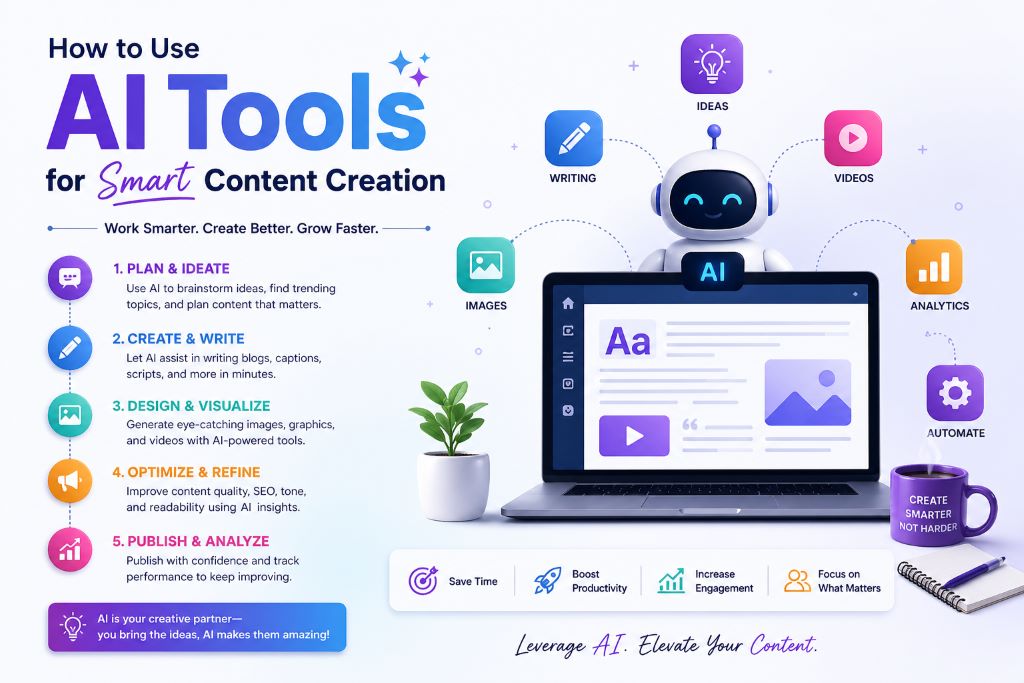
Professional Tips for Using AI Tools for Content Creation in California
Tip 1: Start with Clear Goals and Objectives
Before diving into AI tools for content creation in California, define your goals and objectives. Are you looking to increase engagement, drive traffic, or improve conversions? Understanding your goals will help you choose the right tools and create content that aligns with your business objectives.
Additionally, identify your target audience and tailor your content to their needs, preferences, and pain points. Use tools like Google Analytics or social media insights to gather data on your audience’s demographics, interests, and behavior.
Tip 2: Balance AI with Human Creativity
While AI tools can significantly enhance your content creation process, they should not replace human creativity and expertise. Use AI as a tool to augment your skills, generate ideas, and streamline workflows, but always add your unique perspective, voice, and insights to the content.
Additionally, review and edit AI-generated content to ensure it aligns with your brand’s tone, values, and messaging. This will help you maintain authenticity and build a stronger connection with your audience.
Tip 3: Optimize for SEO and Readability
AI tools can help you create content that is optimized for search engines and easy to read. Use tools like SurferSEO or Clearscope to identify relevant keywords, analyze competitors, and optimize your content for SEO. Additionally, use tools like Grammarly or Hemingway Editor to improve the readability and clarity of your content.
Additionally, structure your content with clear headings, subheadings, and bullet points to make it easy for readers to scan and digest. Use a mix of short and long sentences to keep your content engaging and dynamic.
Tip 4: Leverage Data and Analytics
Data and analytics provide valuable insights into your content’s performance and your audience’s behavior. Use tools like Google Analytics, social media insights, or content management platforms to track key metrics, such as:
- Traffic: Monitor the number of visitors to your website or blog to assess the reach of your content.
- Engagement: Track metrics like time on page, bounce rate, and social media shares to understand how your audience interacts with your content.
- Conversions: Measure the number of users who complete desired actions, such as signing up for a newsletter, downloading a resource, or making a purchase.
Use this data to refine your content strategy, identify areas for improvement, and create content that resonates with your audience.
Tip 5: Stay Updated on AI Trends and Best Practices
The field of AI is constantly evolving, and staying updated on the latest trends and best practices can help you maximize the benefits of AI tools for content creation in California. Follow industry news, attend webinars, and join online communities to learn from other creators and marketers.
Additionally, experiment with new tools and features to discover innovative ways to enhance your content creation process. For example, explore AI-powered tools for video editing, voiceovers, or personalized content recommendations to expand your content offerings.
Reviews: Success Stories from California Marketers
California marketers have achieved remarkable results by leveraging AI tools for content creation. A digital marketing agency in San Francisco adopted Jasper and SurferSEO to streamline its content production and optimization processes. As a result, the agency increased its organic traffic by 50% and improved its search rankings for multiple client campaigns.
Meanwhile, a content creator in Los Angeles used AnswerThePublic and BuzzSumo to identify trending topics in the entertainment industry. By creating content that addressed her audience’s interests and pain points, she grew her blog’s traffic by 40% and attracted a loyal following.
Another example is a startup in San Diego that used Lumen5 and Descript to repurpose its blog content into video format. The startup saw a 60% increase in social media engagement and a broader reach on platforms like LinkedIn and YouTube, leading to a successful funding round.
AI Writing Tools: How to Choose the Right Ones for Your Needs
1. Identify Your Content Needs
Start by identifying the types of content you need to create, such as blog posts, social media content, email newsletters, or video scripts. Different AI writing tools specialize in different types of content, so choose tools that align with your specific needs.
2. Consider Your Budget and Scalability
AI writing tools vary in price, from free or low-cost options to enterprise-level solutions. Consider your budget and the scalability of the tools you choose. For example, if you’re a small business or solo creator, a tool like Copy.ai or Writesonic might be a cost-effective option. If you’re a larger business with more complex needs, a tool like Jasper or SurferSEO might be worth the investment.
3. Evaluate Integration Capabilities
Seamless integration with your existing tools and workflows is critical for maximizing the efficiency of your AI writing tools. Choose tools that can integrate with your content management system (CMS), social media platforms, or other software you use. For example, Jasper integrates with SurferSEO, Grammarly, and Copyscape, allowing you to streamline your content creation and optimization processes.
4. Prioritize User Experience
The success of your AI writing tools depends on user adoption and satisfaction. Choose tools with intuitive interfaces, clear navigation, and features that align with your workflows. Conduct user testing to gather feedback and identify areas for improvement.
Additionally, provide training and support to ensure your team can use the tools effectively. This might include workshops, tutorials, or access to a knowledge base.
5. Test and Compare Tools
Before committing to an AI writing tool, take advantage of free trials or demos to test its features and capabilities. Compare multiple tools to identify the one that best meets your needs, budget, and workflows.
Additionally, gather feedback from your team or other users to understand their experiences with the tools. Use this feedback to make an informed decision and ensure the tool aligns with your content creation goals.
Automated Content Creation: Best Practices for California Marketers
1. Define Your Content Strategy
Before using automated content creation tools, define your content strategy to ensure your efforts align with your business goals. Identify your target audience, content themes, and key performance indicators (KPIs). This will help you create content that resonates with your audience and drives results.
2. Use AI for Ideation and Outlining
AI tools can help you generate ideas, outlines, and drafts for your content. Use tools like Jasper, Copy.ai, or HubSpot’s Blog Ideas Generator to brainstorm topics, create outlines, and develop initial drafts. This can save you time and help you overcome writer’s block.
Additionally, use AI to analyze trending topics and identify gaps in your content strategy. Tools like BuzzSumo or AnswerThePublic can provide insights into what your audience is searching for and engaging with.
3. Optimize for SEO and Engagement
Use AI tools to optimize your content for search engines and engagement. Tools like SurferSEO, Clearscope, or Frase can help you identify relevant keywords, analyze competitors, and provide recommendations for improving your content’s SEO performance.
Additionally, use tools like Grammarly or Hemingway Editor to improve the readability, clarity, and engagement of your content. Structure your content with clear headings, subheadings, and bullet points to make it easy for readers to scan and digest.
4. Personalize and Customize Content
AI tools can help you personalize and customize your content to better resonate with your audience. Use tools like Dynamic Yield or OneSpot to tailor your content based on user preferences, behavior, and demographics. This can improve engagement, conversions, and customer loyalty.
Additionally, use AI to create dynamic content that adapts to individual users. For example, use personalized recommendations, tailored email campaigns, or customized landing pages to deliver a more relevant and engaging experience.
5. Monitor and Analyze Performance
Use data and analytics to monitor the performance of your automated content creation efforts. Track key metrics, such as traffic, engagement, and conversions, to assess the impact of your content and identify areas for improvement.
Additionally, gather feedback from your audience to understand their preferences and pain points. Use this feedback to refine your content strategy and create content that better meets their needs.
Related Topics:
FAQs About Using AI Tools for Content Creation in California
1. What are the best AI tools for content creation in California?
The best AI tools for content creation depend on your specific needs. Some popular options include Jasper or Copy.ai for writing, SurferSEO or Clearscope for SEO optimization, Canva or Lumen5 for social media content, and Descript or Synthesia for video and audio content.
2. How can AI tools improve my content creation process?
AI tools can improve your content creation process by automating repetitive tasks, generating ideas, optimizing content for SEO, and personalizing content for your audience. They can also help you scale your content production, improve engagement, and drive conversions.
3. Are AI writing tools suitable for all types of content?
AI writing tools can be used for a wide range of content types, including blog posts, social media content, email newsletters, and video scripts. However, they may not be suitable for highly specialized or creative content that requires a deep understanding of your audience or industry.
4. How do I balance AI with human creativity in content creation?
Balance AI with human creativity by using AI as a tool to augment your skills, generate ideas, and streamline workflows, but always add your unique perspective, voice, and insights to the content. Review and edit AI-generated content to ensure it aligns with your brand’s tone, values, and messaging.
5. What are the best AI tools for SEO optimization?
Some of the best AI tools for SEO optimization include SurferSEO, Clearscope, and Frase. These tools can help you identify relevant keywords, analyze competitors, and provide recommendations for improving your content’s SEO performance.
6. How can I use AI tools to personalize content for my audience?
Use AI tools like Dynamic Yield, OneSpot, or PathFactory to tailor your content based on user preferences, behavior, and demographics. These tools can help you deliver personalized content recommendations, dynamic experiences, and tailored messaging to improve engagement and conversions.
7. What are the common pitfalls of using AI tools for content creation?
Common pitfalls include over-reliance on AI, neglecting human creativity, and failing to optimize content for SEO and readability. Avoid these pitfalls by using AI as a tool to augment your skills, reviewing and editing AI-generated content, and ensuring it aligns with your brand’s tone and messaging.
Conclusion
Using AI tools for content creation in California offers unparalleled opportunities to streamline workflows, enhance creativity, and drive engagement. By leveraging AI writing tools, content idea generators, SEO optimization platforms, and social media tools, you can create high-quality, personalized, and SEO-optimized content that resonates with your audience. The professional tips and success stories in this guide provide a roadmap to help you harness the power of AI and elevate your content strategy.
California’s dynamic and competitive market demands innovation and adaptability. Start by identifying your content needs, choosing the right AI tools, and defining your content strategy. As you implement these tools, focus on balancing AI with human creativity, optimizing for SEO and engagement, and personalizing content for your audience.
Don’t let outdated processes hold your content strategy back. With the right approach, you can use AI tools for content creation in California to unlock new opportunities for growth and success. Take the first step today by exploring AI writing tools, testing free trials, or consulting with a digital marketing expert. The future of content creation is here—embrace it with AI.