What Is Web3 Development and Why Businesses Are Investing in It
Web3 development is the process of building decentralized applications and digital services using blockchain, smart contracts, and distributed networks instead of centralized servers. Businesses invest in Web3 because it improves transparency, strengthens security, enables digital ownership, and reduces dependence on intermediaries.
The internet continues changing as businesses demand greater security, ownership, and efficiency. Web3 development answers these needs through decentralized technologies that give users more control over data and digital assets. Recent industry reports estimate hundreds of millions of people now interact with Web3 services worldwide. Moreover, enterprise blockchain spending continues rising as financial institutions, retailers, healthcare providers, and technology companies expand practical blockchain projects. These trends show that Web3 has become a serious business technology instead of an experimental concept.
What Is Web3 Development?
Web3 development creates applications powered by blockchain networks instead of traditional centralized databases. Developers combine smart contracts, decentralized storage, digital wallets, and cryptography into secure digital products.
Unlike conventional websites, Web3 applications allow users to control digital identities and assets directly. As a result, businesses reduce reliance on centralized platforms while increasing transparency.
Core Technologies Behind Web3
Several technologies work together to create the Web3 ecosystem.
- Blockchain networks that store verified transactions.
- Smart contracts that automate agreements.
- Decentralized applications called dApps.
- Digital wallets for secure authentication.
- Tokenization for digital ownership.
- Distributed storage systems for secure data.
How Does Web3 Development Work?
Every transaction enters a blockchain network for verification before becoming permanent. Therefore, records remain transparent and extremely difficult to modify without authorization.
Smart contracts automatically execute predefined business rules after specific conditions become true. Consequently, organizations reduce manual work while increasing operational accuracy.
How Web3 Differs From Traditional Web Development
Traditional web applications store information on centralized servers owned by one organization. Web3 distributes information across many network participants instead.
Users also control digital identities through secure wallets instead of conventional usernames and passwords. Therefore, authentication becomes more secure and portable across different applications.
| Feature | Traditional Web | Web3 Development |
| Data Storage | Centralized | Decentralized |
| User Control | Platform owns data | User owns assets |
| Authentication | Username and password | Digital wallet |
| Transactions | Third party verification | Blockchain verification |
| Automation | Server software | Smart contracts |
Why Businesses Are Investing in Web3
Companies increasingly view Web3 as a strategic investment rather than a technology trend. Furthermore, many organizations focus on improving customer trust and operational efficiency.
Growing institutional blockchain adoption also encourages companies to build long term digital strategies. Therefore, Web3 investment continues expanding across many industries.
Better Data Security
Blockchain stores information across distributed networks instead of one central database. Consequently, attackers cannot easily compromise the complete system.
Strong cryptographic protection also helps prevent unauthorized changes. Therefore, businesses improve security without creating additional operational complexity.
Greater Transparency
Every verified transaction becomes part of an immutable digital record. Customers, partners, and auditors can verify activity more easily.
This visibility builds confidence between organizations and their stakeholders. As a result, disputes become easier to resolve.
Lower Operating Costs
Smart contracts automatically execute routine agreements without continuous human involvement. Businesses reduce paperwork, processing delays, and administrative expenses.
Automation also improves transaction speed across multiple business functions. Therefore, employees spend more time on higher value work.
Digital Ownership
Web3 enables businesses to create verifiable ownership of digital products and assets. Customers receive secure proof of ownership directly through blockchain technology.
This capability creates new opportunities for memberships, licensing, collectibles, and digital commerce. Consequently, companies discover additional revenue streams.
Faster Global Transactions
Blockchain networks process transactions without relying on numerous intermediaries. Therefore, businesses often complete international transfers more efficiently.
Faster settlement improves cash flow while reducing processing delays. Moreover, organizations simplify global operations.
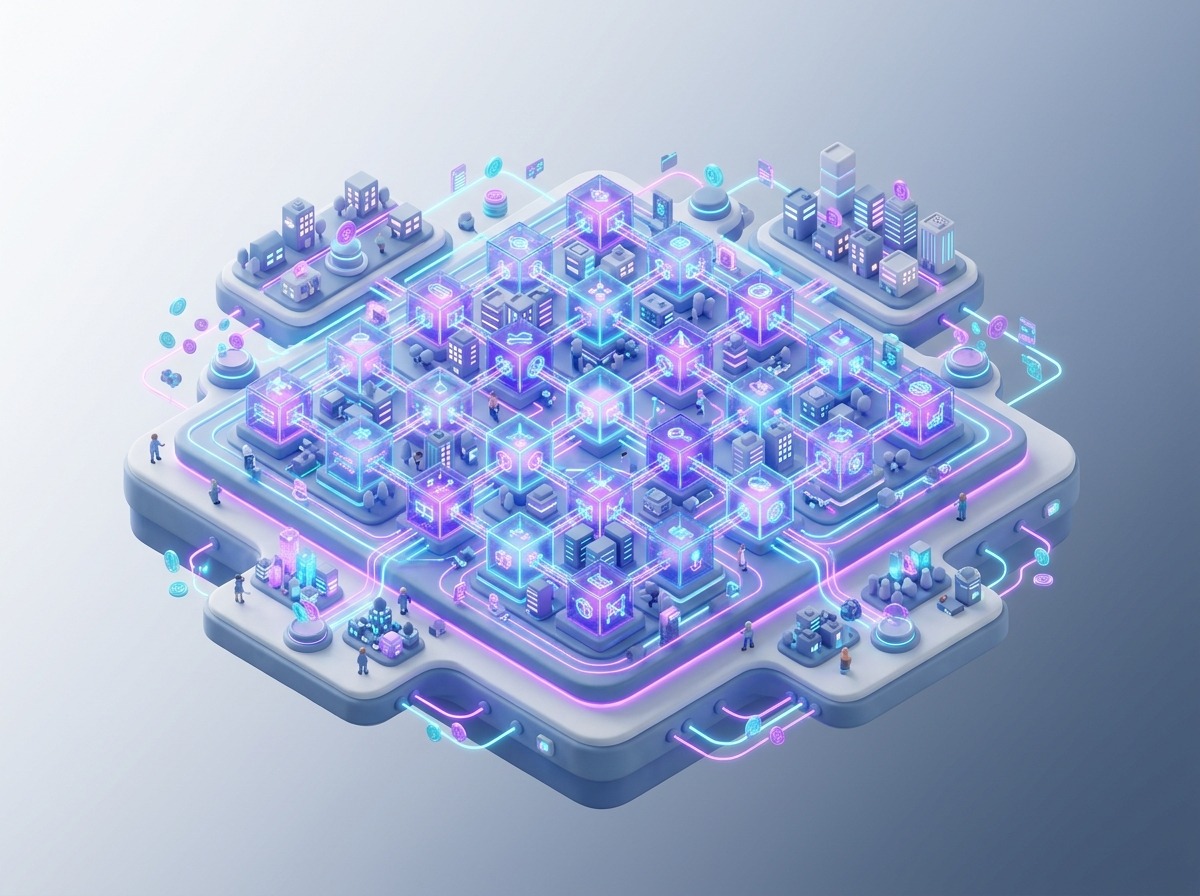
Popular Business Uses of Web3
Many industries already apply Web3 technology to solve practical business problems. These implementations continue expanding every year.
Financial Services
Banks and financial technology companies use blockchain for payments, settlements, digital assets, and transaction verification. Consequently, customers receive faster and more transparent financial services.
Supply Chain Management
Manufacturers track products throughout production and shipping using blockchain records. Every participant verifies product movement without relying on disconnected databases.
This process improves traceability while reducing fraud. Therefore, customers receive more reliable product information.
Healthcare
Healthcare organizations secure medical records through decentralized systems with controlled access. Patients gain greater visibility into authorized data sharing.
Improved record integrity also supports compliance efforts. As a result, healthcare providers strengthen patient trust.
Real Estate
Property transactions involve multiple documents and verification processes. Smart contracts simplify these activities through automated agreements.
Digital records also reduce paperwork while improving transaction transparency. Therefore, property transfers become more efficient.
Retail and Ecommerce
Retail businesses create loyalty programs, digital memberships, and product authentication using blockchain technology. Customers verify product authenticity more easily.
Tokenized rewards also improve customer engagement. Consequently, brands build stronger long term relationships.
Benefits of Web3 Development for Businesses
Organizations adopting Web3 often experience several measurable advantages.
- Stronger cybersecurity protection.
- Greater customer trust.
- Improved operational efficiency.
- Reduced fraud opportunities.
- Faster transaction processing.
- Better digital asset management.
- Enhanced transparency.
- New revenue opportunities.
- Increased automation.
- Global business scalability.
Challenges Businesses Should Consider
Although Web3 offers major advantages, organizations should evaluate several practical challenges before implementation.
Regulatory Changes
Digital asset regulations continue evolving across different markets. Therefore, businesses must monitor legal requirements carefully.
Working with experienced legal professionals reduces compliance risks. Consequently, organizations adapt more effectively.
Technical Complexity
Web3 systems require blockchain expertise, smart contract development, and specialized security testing. Companies should invest in skilled developers and ongoing training.
Proper planning reduces implementation problems. Therefore, projects achieve stronger long term performance.
Scalability
Some blockchain networks process transactions more slowly during heavy demand. Businesses should evaluate network performance before selecting a platform.
Modern scaling technologies continue improving transaction capacity. Consequently, enterprise adoption becomes increasingly practical.
User Education
Many customers remain unfamiliar with digital wallets and decentralized applications. Organizations should create simple onboarding experiences that reduce learning barriers.
Clear instructions improve adoption rates. Therefore, customers feel more confident using Web3 services.
Industries Expected to Lead Web3 Adoption
Several industries appear positioned for continued Web3 growth.
- Banking and financial services.
- Supply chain logistics.
- Real estate.
- Digital identity management.
Should Every Business Invest in Web3?
Not every company requires immediate Web3 adoption. However, organizations handling digital assets, customer identity, financial transactions, or supply chain verification should evaluate its potential.
Small businesses can begin with limited pilot projects before expanding further. Consequently, they reduce risk while learning practical implementation strategies.
Best Practices Before Starting Web3 Development
Successful Web3 projects begin with careful planning instead of immediate technology adoption.
Clearly identify business problems before selecting blockchain solutions. Next, choose experienced developers who understand security, scalability, and smart contract auditing. Finally, test applications thoroughly before public deployment to protect users and company assets.
The Future of Web3 Development
Web3 continues moving toward mainstream enterprise adoption through better scalability, stronger security, and improved user experiences. Financial institutions, technology companies, and global enterprises increasingly integrate blockchain into existing digital services.
Artificial intelligence, tokenization, decentralized identity, and automated smart contracts will likely expand future business opportunities. Organizations that prepare early may gain stronger competitive advantages as decentralized technologies mature.
Conclusion
Web3 development represents a major shift in how businesses build secure, transparent, and customer focused digital services. Companies invest because decentralized technology strengthens security, improves efficiency, creates digital ownership, and supports innovative business models. Start evaluating your business processes today and identify where Web3 can deliver measurable value before competitors move ahead.
FAQs
What is Web3 development?
Web3 development builds decentralized applications using blockchain, smart contracts, and distributed networks.
Why are businesses investing in Web3?
Businesses invest because Web3 improves security, transparency, automation, and digital ownership.
Is Web3 only for cryptocurrency projects?
No, many industries use Web3 for payments, supply chains, healthcare, identity, and retail applications.
What programming languages are commonly used in Web3?
Solidity, Rust, JavaScript, TypeScript, and Go remain common choices for Web3 development.
Is Web3 suitable for small businesses?
Yes, small businesses can start with focused blockchain projects before expanding gradually.