
How to Prepare for a LOLER Inspection
Inspectors are people who are paid to come and do your LOLER for you. If they arrive and find that you have not prepared for their visit, then they will waste your time and may have to come back another time. The best way to make sure that your inspection is as smooth as possible is to prepare for it in advance.
Gather Your Paperwork First
Have all previous inspection reports and written schemes of examination ready for the inspection. It is not uncommon for previous reports to be scattered around in different files and even stored by different members of staff. Collect all relevant information and make sure that all reports are up to date a few days prior to the inspection.
List Every Piece of Equipment on Site
Walk around the building and list out all the hoists, slings, hooks, chains and lifting gear of any kind. This could include items stored away in rooms not frequently used and could include spare items of equipment i.e. a spare sling stored in a cupboard. Make a note of all the items and this will become your working record for future LOLER inspections.
Check for Obvious Wear and Damage
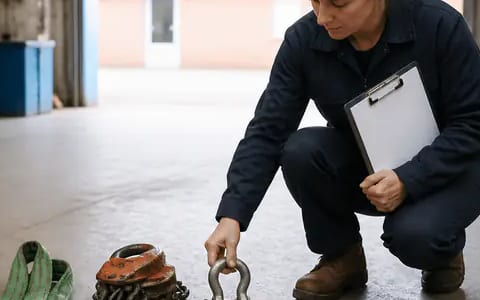
Inspect the equipment for any signs of wear and damage prior to the inspection. This type of check does not require any knowledge of lifting equipment and can be completed by anyone with sufficient time to complete a thorough inspection. Any items that show signs of wear and damage should be recorded and removed from use pending repair.
Confirm Labels and Weight Markings Are Legible
Equipment must display a safe working load and have an identification label or tag. Check that any existing labels are clear and have not worn, peeled or been painted over. Verify that the information on the tag corresponds with the information on your list of equipment. Make any necessary repairs or replacements to missing or worn out labels prior to the inspection. More on LOLER Inspections can be found at https://mid-westcare.co.uk/services/loler-inspections/.
Clear Access Around the Equipment
Remove all obstructions from around lifting equipment. The LOLER inspection will be a lot quicker if furniture, bedding, trolleys, storage etc. are removed from areas where the hoist, slings and overhead tracks are situated. Take a walk round the area the day before to familiarise yourself with the layout.
Deal With Outstanding Defects
If previous reports have highlighted any problems with equipment, have these been fixed? Under the legal requirements of LOLER 1998 equipment with any outstanding defects that could affect safety should not be used until the defect has been repaired. If there are any items that cannot be repaired before an inspection and have been reported as needing repair, ensure these are reported as outstanding defects and removed from use until repaired.
Brief the Staff Who Use the Equipment
The staff who use the equipment on a daily basis should be informed that an inspection is taking place and may be asked to demonstrate the normal use of the hoists and lifting equipment such as attaching slings correctly or operating the controls of a ceiling track hoist. This is a good opportunity to check for any bad practice that may be occurring.
Pick a Quiet Time and Check the Engineer’s Credentials
Choose a date when the equipment isn’t required for the delivery of care and enable the inspector to complete practical tests of the items. Request confirmation of the competence and qualifications of the engineer(s) scheduled to complete the LOLER inspection and ensure that a written report will be supplied following the inspection. For further information on LOLER see Mid West Care.
Completing this checklist before the inspection date will ensure that the day of the inspection passes as smoothly as possible and that you have an accurate and up-to-date list of all lifting equipment in use on your site.


