Navigating the Digital Pharmacy: Which Company Makes the Best Healthcare Mobile Apps?
In an era defined by instant access and personalized experiences, healthcare is undergoing a profound digital transformation. Mobile apps, once a novelty, have become essential tools for managing health, connecting with providers, and accessing vital information. The question, then, isn’t whether mobile healthcare apps are important, but which companies are leading the charge in crafting these invaluable digital companions.
The landscape is vast, populated by established healthcare giants, innovative startups, and specialized software developers. Each brings unique strengths to the table, making the “best” a nuanced concept dependent on specific needs and priorities. Let’s delve into the key players and their offerings, exploring the features that distinguish exceptional healthcare mobile apps.
The Titans of Integration: Healthcare System Giants
Large healthcare systems, like Mayo Clinic, Cleveland Clinic, and Kaiser Permanente, have invested heavily in developing comprehensive mobile apps that seamlessly integrate with their existing services. These apps often serve as central hubs for patients, offering a wide array of functionalities:
- Appointment Management: Scheduling, rescheduling, and canceling appointments, along with reminders and pre-visit instructions.
- Medical Records Access: Viewing test results, medication lists, immunization records, and visit summaries.
- Virtual Consultations: Connecting with doctors and other healthcare professionals through secure video calls.
- Prescription Management: Refilling prescriptions, requesting renewals, and tracking medication delivery.
- Secure Messaging: Communicating with care teams for non-urgent questions and concerns.
- Symptom Checkers and Health Information: Accessing reliable information about health conditions and symptoms.
These apps excel in their ability to provide a unified patient experience, consolidating various aspects of care within a single platform. The integration with existing electronic health records (EHRs) ensures data consistency and facilitates seamless communication between patients and providers. However, their accessibility might be limited to patients within their respective healthcare systems.
The Innovators: Specialized Healthcare App Developers
Beyond the established healthcare systems, a vibrant ecosystem of specialized app developers is pushing the boundaries of mobile health. These companies often focus on specific areas, such as chronic disease management, mental health, or fitness tracking, offering tailored solutions that cater to niche needs.
- Chronic Disease Management: Apps for managing conditions like diabetes, asthma, and heart disease, providing tools for tracking vital signs, monitoring medication adherence, and connecting with support communities. Companies like Livongo (now part of Teladoc Health) and Omada Health have gained recognition for their innovative approaches in this space.
- Mental Health and Wellness: Apps that offer guided meditation, cognitive behavioral therapy (CBT) exercises, and mood tracking, addressing the growing need for accessible mental health support. Calm, Headspace, and Talkspace are prominent examples.
- Fitness and Nutrition: Apps that track activity levels, monitor calorie intake, and provide personalized workout plans, empowering users to take control of their physical health. MyFitnessPal, Fitbit, and Nike Training Club are popular choices.
- Remote Patient Monitoring: Apps that enable healthcare providers to remotely monitor patients’ vital signs and health data, facilitating early intervention and reducing hospital readmissions.
These specialized apps often leverage cutting-edge technologies like artificial intelligence (AI) and machine learning to provide personalized insights and support. Their focus on specific areas allows for deeper functionality and a more tailored user experience. However, they may not offer the same level of integration with traditional healthcare systems as the apps developed by established providers.
The Pharmacies and Retailers: Expanding Healthcare Access
Pharmacies and retailers like CVS, Walgreens, and Walmart are also playing an increasingly significant role in the mobile healthcare space. Their apps often focus on prescription management, health product purchases, and connecting with pharmacists.
- Prescription Refills and Delivery: Ordering and tracking prescription refills, managing medication schedules, and arranging for home delivery.
- Health Product Purchases: Browsing and purchasing over-the-counter medications, vitamins, and other health-related products.
- Telehealth Services: Connecting with pharmacists and other healthcare providers for virtual consultations.
- Vaccination Scheduling: Scheduling appointments for vaccinations and accessing immunization records.
- Health Rewards Programs: Earning points and discounts for healthy behaviors and purchases.
These apps offer convenient access to essential healthcare services and products, particularly for individuals managing chronic conditions or requiring regular prescriptions. Their integration with retail operations provides a seamless shopping experience.
Related: How to Check Tesla Battery Health on the App
Key Features of Exceptional Healthcare Mobile Apps
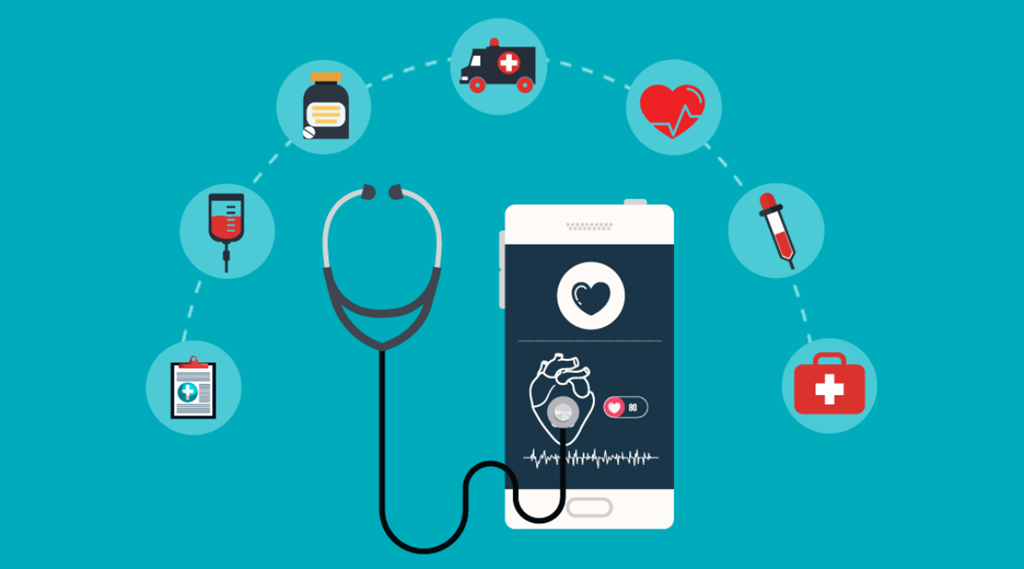
Regardless of the developer, the best healthcare mobile apps share several key characteristics:
- User-Friendly Interface: Intuitive navigation, clear instructions, and a visually appealing design.
- Security and Privacy: Robust security measures to protect sensitive patient data, complying with HIPAA and other relevant regulations.
- Reliability and Performance: Consistent performance, minimal bugs, and timely updates.
- Personalization: Tailored content and features based on individual needs and preferences.
- Accessibility: Compatibility with various devices and operating systems, including accessibility features for users with disabilities.
- Integration: Seamless integration with existing healthcare systems, EHRs, and wearable devices.
- Accuracy and Reliability of Information: Delivery of trustworthy and evidence-based health information.
- Effective Communication: Secure communication with medical professionals.
- Educational Content: The ability to educate patients on their conditions.
Determining the “Best”
Ultimately, the “best” healthcare mobile app is subjective and depends on individual needs and priorities. For patients seeking comprehensive care management within a specific healthcare system, the apps developed by those systems are likely the most suitable. Individuals with specific health conditions or seeking specialized services may find greater value in apps developed by specialized developers. And those needing regular prescriptions and retail health products, the pharmacy apps will be of great value.
People Also Ask (FAQs)
Q: Are healthcare mobile apps secure?
A: Reputable healthcare mobile apps prioritize security and privacy, implementing robust measures to protect patient data. However, it’s essential to choose apps from trusted sources and review their privacy policies.
Q: Can I use a healthcare mobile app to replace in-person doctor visits?
A: While some healthcare mobile apps offer telehealth services, they should not entirely replace in-person doctor visits. Telehealth can be a convenient option for routine checkups and non-urgent concerns, but in-person visits are crucial for comprehensive assessments and certain medical procedures.
Q: Are healthcare mobile apps covered by insurance?
A: Coverage for healthcare mobile apps varies depending on the app and your insurance plan. Some apps may be fully covered, while others may require out-of-pocket expenses. It’s best to check with your insurance provider for specific details.
Q: How can I choose the right healthcare mobile app for me?
A: Consider your specific needs and priorities, research different apps, read reviews, and consult with your healthcare provider for recommendations.
Q: Can I use healthcare apps to track my fitness?
A: Yes, many healthcare apps have fitness-tracking components or integrate with fitness trackers.
Q: What are the benefits of using a healthcare mobile app?
A: Benefits include increased accessibility to healthcare, improved communication with providers, better management of chronic conditions, and enhanced convenience.
Conclusion
The mobile healthcare revolution is transforming how we manage our health, empowering us with greater control and access to vital information and services. While no single company holds the undisputed title of “best,” the landscape is filled with innovative solutions that cater to diverse needs. By carefully evaluating your requirements and exploring the available options, you can find the perfect mobile companion to navigate your healthcare journey. The future of healthcare is mobile, and the best apps are those that prioritize patient empowerment, security, and seamless integration.